The Quick Verdict (For the Busy Homeowner)
Sir Walter DNA Certified is the heavyweight champion for durability, drought resistance, and deep shade. It is the best choice for rentals, pets, or neglected areas. Matilda Buffalo is the “luxury choice”—significantly softer to the touch with a finer leaf blade. It is the superior option for families with toddlers who want a lush, carpet-like feel without sacrificing too much resilience.
Is your backyard ready for a makeover?
You’ve narrowed it down to the heavy hitters of the Australian turf world: Matilda and Sir Walter. But standing at the precipice of a $2,000+ landscaping decision is stressful.
Pick the wrong grass, and you’re looking at patchy shade spots, itchy legs during summer BBQs, or a lawn that turns into a thatch-filled sponge within three years.
The Solution? We’ve done the heavy lifting for you. In this guide, we break down the definitive Matilda vs Sir Walter Buffalo comparison, stripping away the marketing fluff to measure these two Soft Leaf Buffalo varieties on the metrics that actually matter: comfort, shade tolerance, and ongoing maintenance.
The Contenders: A Brief Overview
Sir Walter DNA Certified is an Australian icon. Born and bred for our harsh climate, it has dominated the market for over 20 years. It’s known as the “set and forget” grass—rugged, reliable, and incredibly forgiving.
Matilda Buffalo is the sophisticated challenger. It is a semi-dwarf leaf buffalo known for its distinct aesthetic appeal. It was bred to address the one complaint people had about old-school buffalo: the coarse texture.
Feature Showdown: Head-to-Head Comparison
If you only read one section, make it this one. Here is how they stack up in the field.
| Feature | Sir Walter DNA Certified | Matilda Buffalo |
| Wear Resistance | ⭐⭐⭐⭐⭐ (Excellent) | ⭐⭐⭐⭐ (Very Good) |
| Softness | ⭐⭐⭐ (Good) | ⭐⭐⭐⭐⭐ (Superior) |
| Shade Tolerance | ⭐⭐⭐⭐⭐ (Up to 70% shade) | ⭐⭐⭐⭐⭐ (Up to 80% shade) |
| Drought Recovery | ⭐⭐⭐⭐⭐ (Excellent) | ⭐⭐⭐⭐ (Very Good) |
| Leaf Width | Broad / Coarse | Medium / Fine |
| Color Retention | Dark Green | Emerald Green |
The “Touch Test”: Softness & Texture
This is the biggest differentiator.
Sir Walter has a broad leaf that, while softer than older varieties like Scratchy Blue, still has a distinct rigidity. It feels like “grass.” It stands up well to traffic because of this rigidity.
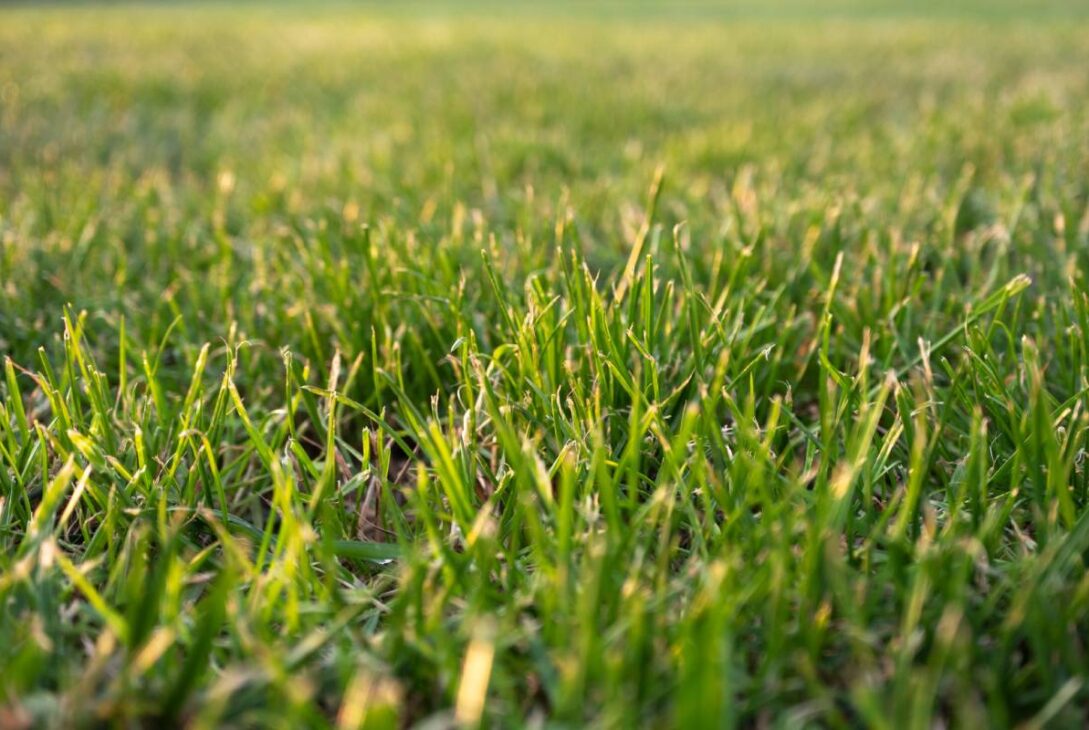
Matilda, however, is famous for its “lush” feel. Its leaf blade is slightly narrower and has a smooth, velvety texture. Because it is a semi-dwarf variety, it grows densely, creating a sponge-like carpet that is delightful to walk on barefoot.
Pro Tip: If you have toddlers who will be crawling on the lawn, or if you enjoy yoga in the backyard, Matilda is the clear winner. The “itch factor” is virtually non-existent with Matilda.
Shade & Drought Performance
Both varieties are elite performers in the Australian sun, but they handle stress differently.
Shade Tolerance
- Sir Walter: Thrives in 50-70% shade. It has a broad leaf surface area that captures photosynthesis efficiently, even in dappled light.
- Matilda: Surprisingly, Matilda often outperforms Sir Walter in high-shade areas (up to 80%). Its resistance to disease in damp, shady corners makes it a robust choice for side passageways or under large gum trees.
Drought Resistance
Sir Walter takes the gold medal here. Its root system is aggressive and deep. If you forget to water it for a few weeks in January, it will bounce back rapidly once hydrated. Matilda is drought tolerant but may lose color slightly faster than Sir Walter under extreme heat stress.
Maintenance & Thatch Management
This is where the Experience comes into play. Most product brochures won’t tell you about “thatching.”
Thatch is the layer of dead organic matter that sits between the green grass blades and the soil surface.
- The Sir Walter Issue: Because it grows so aggressively, Sir Walter is prone to becoming “spongy” or thick with thatch if not mowed regularly. You may need to vertimow (scarify) it every 2-3 years to keep it healthy.
- The Matilda Advantage: As a semi-dwarf variety, Matilda has a slower vertical growth rate. It produces significantly less thatch than Sir Walter. This means less scalping when you mow and a generally tidier appearance with less effort.
While managing thatch is specific to buffalo turf, regular cutting is universal. If you aren’t keen on doing the work yourself, it is worth researching how often grass is mowed and what most people charge to outsource the job, as Sir Walter’s rapid growth may increase your service frequency compared to Matilda.
Expert Insight: If you hate mowing, Matilda is your friend. While both need regular cuts in summer, Matilda holds its visual appeal longer between mows and doesn’t try to invade your garden beds as aggressively as Sir Walter does.
Cost Analysis
Generally, you will find that pricing is competitive, but Sir Walter often carries a “brand premium.”
- Sir Walter: $15 – $22 per square meter.
- Matilda: $13 – $18 per square meter.
Expert Insight: If you hate mowing, Matilda is your friend. While both need regular cuts in summer, Matilda holds its visual appeal longer between mows and doesn’t try to invade your garden beds as aggressively as Sir Walter does.
Final Verdict: Which One Should You Buy?
Choose Sir Walter DNA Certified IF:
- You have large dogs that run “laps” around the yard (high wear).
- You want the most drought-proof lawn available.
- You are renting the property out and need something “bulletproof.”
- You prefer a broad, dark green aesthetic.
Choose Matilda Buffalo IF:
- Comfort is your #1 priority (kids, bare feet, picnics).
- You have a smaller courtyard or backyard where the “finish” and look are critical.
- You want a lower-maintenance lawn that requires less dethatching.
- You have heavy shade areas (fence lines, trees).