A branch doesn’t suddenly snap from a perfectly healthy tree, and a large gum rarely falls over without first showing signs that something isn’t right. The challenge is that many homeowners simply don’t know what those warning signs look like. Small changes are easy to dismiss until the damage has already been done.
In Perth, where hot summers, strong winds, and winter storms all place stress on trees, identifying problems early can save thousands of dollars in property damage and potentially prevent serious injuries.
Knowing when to call a qualified arborist isn’t about being overly cautious. It’s about recognising the difference between normal tree behaviour and signs that professional attention is needed.
1. Dead branches are more dangerous than they appear
One of the easiest warning signs to spot is dead wood in the canopy.
Dead branches become brittle over time and can fall without much warning, particularly during windy conditions. Even relatively small branches can damage cars, fences, pergolas or roofing if they fall from a significant height.
Many homeowners assume removing a few visible branches solves the problem, but dead limbs are often a symptom rather than the actual issue. The tree may be suffering from disease, pest damage, root stress or structural decline that requires a closer inspection.
An arborist can determine whether selective pruning will restore the tree’s health or whether more extensive work is required.
2. Cracks in the trunk should never be ignored
Trees naturally develop textured bark, but deep vertical cracks or large splits in the trunk are another matter entirely.
These openings may indicate internal decay or structural weakness that isn’t visible from the outside.
Large trees can remain standing despite extensive internal rot because the outer layers continue supporting their weight. Unfortunately, that also means they can fail with little notice once the remaining healthy timber can no longer cope.
If you notice:
- Large cracks in the trunk
- Splitting where major branches meet
- Hollow sections
- Cavities that appear to be growing
it’s worth arranging a professional inspection before the next storm arrives.
3. Leaning trees deserve closer attention
Not every leaning tree is dangerous.
Many species naturally grow at an angle and remain perfectly stable for decades. What matters is whether the lean has recently changed.
If a tree suddenly appears to lean further than before, particularly after heavy rain or strong winds, it may indicate movement within the root system.
Other warning signs include:
- Raised soil around the base
- Exposed roots
- New cracks in nearby paving
- Gaps opening beneath roots
These symptoms suggest the tree’s anchor system may be weakening.
The earlier this is assessed, the more options are usually available.
4. Fungal growth often signals internal decay
Mushrooms growing near the base of a tree often attract little attention.
However, fungal fruiting bodies can indicate decay inside either the trunk or root system.
Not every fungus is harmful, but some species break down the wood that gives a tree its structural strength.
The visible mushrooms are often only a small part of a much larger underground fungal network.
If fungi appear repeatedly around the base of an established tree, especially after winter rain, an arborist should investigate whether internal decay is affecting stability.
5. Trees dropping branches in calm weather
It’s normal for trees to lose small twigs and leaves.
It’s not normal for sizeable branches to fall on still, calm days.
Unexpected branch failure may indicate:
- Deadwood
- Internal decay
- Poor branch attachment
- Excessive canopy weight
- Previous storm damage
This type of failure is sometimes called “sudden limb drop,” and certain Australian tree species can be more susceptible under particular weather conditions.
Ignoring repeated branch loss only increases the chance of more significant failures later.
6. Roots can reveal hidden problems
Most people focus on what’s happening above ground.
Professional arborists often spend just as much time examining what’s happening below it.
Tree roots may begin causing issues long before the canopy shows obvious symptoms.
Warning signs include:
- Driveways lifting
- Cracked paving
- Blocked drains
- Retaining wall movement
- Foundations developing new cracks
Roots don’t always need to be removed. In many cases, careful root management combined with strategic pruning can preserve both the tree and surrounding structures.
7. Trees growing too close to buildings
One of the most common reasons homeowners seek advice isn’t because a tree is unhealthy.
It’s because it has simply become too large for the space.
Branches rubbing against roofing can damage gutters, tiles and solar panels.
Dense canopies overhanging the house may:
- Reduce airflow
- Encourage mould growth
- Increase leaf build-up in gutters
- Create easy access for rodents
- Increase bushfire fuel loads in some areas
Professional pruning often resolves these issues while preserving the appearance and health of the tree.
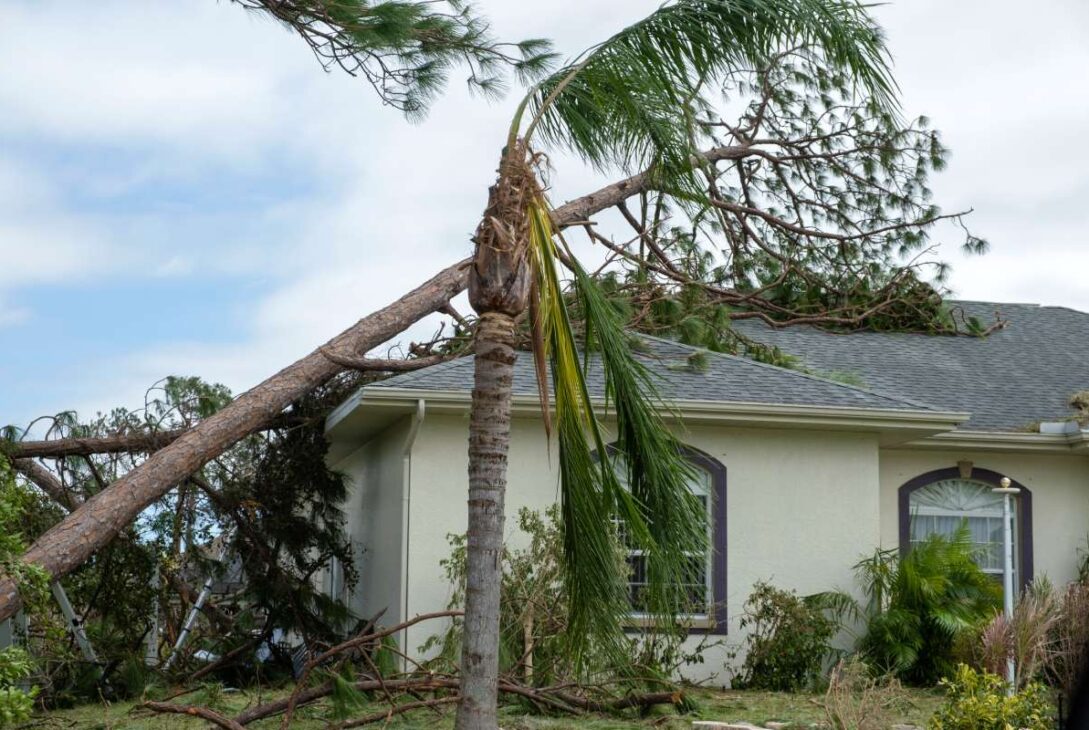
8. Storm damage isn’t always obvious
After severe weather, many trees continue standing despite having hidden structural damage.
A branch may have partially cracked internally without completely breaking away.
The trunk may have twisted enough to weaken important structural fibres.
Because these problems aren’t always visible from ground level, many homeowners mistakenly assume the tree escaped unharmed.
A post-storm inspection can identify issues before they become emergencies during the next weather event.
9. Pest activity can weaken trees over time
Termites aren’t usually interested in healthy living trees.
However, decaying wood provides an attractive environment for various insects that gradually accelerate structural deterioration.
Borers, beetles and other wood-destroying pests can also contribute to declining tree health.
Visible signs may include:
- Fine sawdust around the base
- Small holes in branches
- Loose bark
- Dead patches in the canopy
Addressing pest problems early often gives trees a much better chance of recovery.
Why regular inspections save money
Emergency tree removal is almost always more expensive than planned maintenance.
When a tree fails unexpectedly, homeowners may also face costs associated with:
- Roof repairs
- Fence replacement
- Vehicle damage
- Powerline interference
- Insurance excess payments
- Emergency call-out fees
Routine inspections allow arborists to identify manageable problems before they escalate into major hazards.
In many cases, relatively minor pruning can significantly extend a tree’s lifespan while reducing future risk.
Removal isn’t always the answer
One of the biggest misconceptions is that calling an arborist automatically means losing the tree.
In reality, experienced arborists usually look for ways to preserve healthy trees whenever possible.
Depending on the situation, recommendations may include:
- Crown thinning
- Deadwood removal
- Structural pruning
- Weight reduction
- Cabling or bracing
- Root management
- Soil improvement
Removal generally becomes the preferred option only when a tree is dead, structurally unsafe, severely diseased, or causing damage that cannot reasonably be managed.
This balanced approach helps homeowners retain valuable shade and mature landscaping wherever practical.
Choosing the right arborist
When seeking professional advice, experience matters.
Qualified arborists don’t simply remove trees—they assess tree health, identify structural risks, understand local species, and recommend the most appropriate solution for each property.
A reputable arborist should also explain why a particular recommendation has been made and provide a clear breakdown of the proposed work.
The bottom line
Trees are among the most valuable features of any Perth property, providing shade, privacy, wildlife habitat and street appeal. Most will remain safe for decades with appropriate care.
The key is recognising the early warning signs before they develop into expensive emergencies.
Dead branches, trunk cracks, fungal growth, leaning trees, root movement and unexplained branch failures are all signals worth investigating. A professional inspection can often determine whether simple maintenance is enough or whether more substantial work is needed.
Addressing problems early not only protects your home but often preserves the tree itself—saving both money and one of the most valuable assets in your garden.
FAQs
1. How often should mature trees be inspected?
Healthy mature trees should generally be inspected every few years, while large trees near homes, pools or powerlines benefit from more frequent assessments, especially after severe storms.
2. Can a diseased tree be saved?
Sometimes. Many fungal infections, pest problems and structural issues can be managed if detected early. A qualified arborist can determine whether treatment or removal is the better option.
3. Is a leaning tree always dangerous?
No. Some trees naturally grow on an angle. The concern arises when the lean changes suddenly or is accompanied by soil movement, exposed roots or trunk damage.
4. Should I remove branches that touch my roof?
Yes. Branches rubbing against roofing can cause damage, block gutters and provide access for pests. Professional pruning is usually the safest solution.
5. When is the best time of year for tree inspections in Perth?
Late autumn through winter is an excellent time for routine inspections, but trees should also be assessed promptly after significant storms or whenever new warning signs appear.